
Jeon Arvani
The Kid from Santa Cruz Who Made Reggaetón Sound Like Home
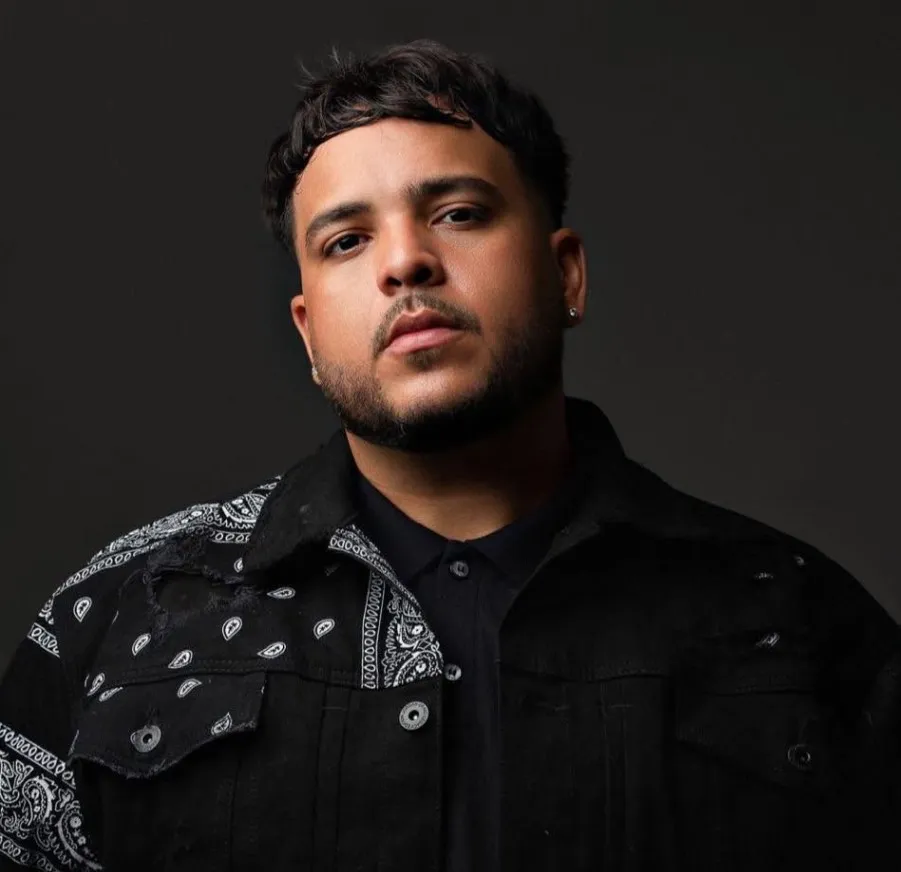
If you’ve ever heard “Machika” blasting out of a car window, you’ve heard Jeon, even if you didn’t know it. What you probably didn’t know is that the guy behind that reggaetón hit the one with the Mad Max music video and the 400 million YouTube views grew up in Santa Cruz, Aruba, learning piano from his own father before he’d even hit puberty.
Jonathan Thiel is his real name. He was born January 27, 1991, to Robert Thiel, a pianist and producer, and Francia “Anchi” Thiel. His grandfather played music too, so by the time Jonathan showed interest, nobody in the family was surprised. He started piano lessons at eight. School never really stuck after that music took up all the room.
That’s the part I find most interesting, actually. A lot of artists talk about “finding” music later in life, some awakening moment. Jeon didn’t find it. He was just handed it, the way some kids get handed a family trade. Bass, cuatro, wiri, conga, piano he picked up all of them, one after another, like it was the most obvious thing in the world to do with his afternoons.
There is nothing quite like blasting Jeon & Arvani while lounging on the white sands of Eagle Beach. If you’re counting down the days until your next vacation, use our go to guide at Things to Do in Aruba to map out your dream itinerary while you stream.
From island shows to J Balvin
For years Jeon was a local phenomenon the kind of artist who wins “Artist of the Year” on Aruban radio more than once, whose songs get “Song of the Year” honors from stations across the island. “Dushi Bida” did that for him in 2016. But islands are small, and there’s only so far a local hit can travel on its own.
Then came 2018, and “Machika.”
The song paired him with J Balvin reggaetón royalty at that point and Anitta, the Brazilian pop star. The video looked like something out of a post-apocalyptic fashion shoot, half Mad Max, half Lord of the Flies, dancers and desert and leather everywhere. It was rumored to be in the running for the FIFA World Cup anthem that year. Whether or not that rumor held up, the song did the job anyway: it put an Aruban artist in front of an international audience that had probably never thought about Aruba beyond a resort brochure.
He didn’t stop touring after that either opening for Chris Brown, Don Omar, and others, carrying the sound of Ritmo Combina (his own blend of reggaetón, rap, and Latin pop) to rooms that had no idea where Aruba even was.
Coming back to the island, on his own terms
What’s stuck with me reading through his more recent work is how much of it circles back home. “Santa Cruz,” his 2021 album, is named for the town he grew up in. “Aruba,” a newer single, was filmed on Little Aruba, on the island’s north coast, with local musicians backing him up. This isn’t an artist chasing a bigger stage and forgetting where he started if anything, the bigger the stage got, the more Aruba shows up in the work.
His sound has drifted a bit lately too, leaning more into Kompa and Latin rhythms rather than pure reggaetón. “Bartender,” from 2023, has that sultrier, slower percussion to it. Less club banger, more late-night sway. It suggests an artist who isn’t trying to repeat “Machika” forever, which given how easy that trap is to fall into after one massive hit says something about how he sees his own career.

Single Release
3:58
Caya Ta Papia
Reggaeton
Aruba
Papiamento
Jeon’s 2024 single, all Kompa warmth and slow sway. Papiamento for “the street is talking”.
Caya Ta Papia: Jeon's Love Letter to the ABC Islands
Jeon put out a Spanish version in 2025, widening the song's reach past the Dutch Caribbean without losing the Kompa backbone that makes it work in the first place
Listen on Spotify
Release Date:
June 23 2024
Written By:
Jeon Arvani
Produced By:
Boom Vibes Music